
Basement Conversions in Wealdstone, HA3
Cellar and basement conversions in Wealdstone: dry, habitable rooms below ground with designed waterproofing, natural light and building control approval.
Covered under one contract
- Structural design and calculations
- Planning or lawful development certificate
- New staircase, dormer and roof windows
- Insulation, fire safety and building control
- En-suite designed and fitted
- Waterproofing with guarantee for basements
Basement Conversions in Wealdstone.
Where a house cannot grow outwards or upwards, it can grow downwards. Many of the older houses in Wealdstone already have a cellar or vaults, and converting them into a usable floor is a well-established route to a utility room, guest suite, study or cinema room.
The two things that decide whether a basement works are waterproofing and light. We use a designed system, normally a cavity drainage membrane with a sump and pump, which carries a guarantee, and we bring light in through a lightwell or a rear opening where the site allows. Ceiling height, drainage and structure are all surveyed at the outset.
Converting an existing cellar without changing the exterior of the house does not usually need planning permission. Lightwells, listed buildings and new excavation do, and the central London boroughs have their own basement policies with impact assessments. All basements need building regulations approval and most involve party wall notices, which we prepare and serve.
- Area
- Wealdstone, HA3
- Council
- London Borough of Harrow
- Housing
- Victorian and Edwardian terraces around the High Street, 1930s semis on the roads towards Harrow Weald, post-war houses and new apartments near the station
- Transport
- Harrow & Wealdstone (Bakerloo, Overground, rail)
- Basement, existing cellar
- 10 to 16 weeks
- Consent
- Often permitted development for lofts
- Waterproofing
- Guaranteed system, designed for the site
Wealdstone: the houses and the planning rules.
Wealdstone grew up around the railway works and the station, and its older streets are Victorian and Edwardian terraces of a type that suit side-return extensions and rear dormers. North of the High Street the housing shifts to 1930s semis with longer gardens, and around the station new apartment buildings have arrived in the last few years.
It is one of the more affordable parts of Harrow, which makes it a district where a well-planned extension or loft adds real value. We do rear and side-return extensions on the terraces, hip-to-gable lofts on the semis, and full refurbishments of houses bought to be improved.
There are no conservation areas in Wealdstone itself; the Harrow Weald and Harrow on the Hill conservation areas lie to the north and south.
London Borough of Harrow
Harrow decides applications. With no conservation area, most rear extensions and lofts fall within permitted development, confirmed by a lawful development certificate.
Terraces
Side-return and rear extensions on the terraces usually proceed under permitted development or prior approval; party wall notices are needed for the shared walls.
Flats
Converted houses and the newer apartment blocks need a licence to alter from the freeholder alongside building regulations.
Approvals for basement conversions in Wealdstone.
Converting an existing cellar without altering the exterior does not usually need planning permission; lightwells, listed buildings and new excavation do. Every basement needs building regulations approval and a designed waterproofing system, and most involve party wall notices.
Harrow decides applications. With no conservation area, most rear extensions and lofts fall within permitted development, confirmed by a lawful development certificate.
What basement conversions in Wealdstone includes.
- Structural design and calculations
- Planning or lawful development certificate
- New staircase, dormer and roof windows
- Insulation, fire safety and building control
- En-suite designed and fitted
- Waterproofing with guarantee for basements
From site visit to handover.
- 01
Site visit & consultation
We visit, listen and measure. Brief, budget and constraints understood before any advice is given.
- 02
Design & itemised quote
Our architects and engineers draw the scheme, and from that we provide a transparent, itemised quotation for your approval.
- 03
Planning & approvals
Planning applications, building control and party wall matters handled for you.
- 04
Build, managed weekly
Our own trades, sequenced by a site manager. Progress reported every week.
- 05
Handover & aftercare
Joint snagging walk-through, documentation, and a guarantee on our workmanship.
Basement Conversions in Wealdstone: your questions.
Can I convert a cellar in Wealdstone?
Usually. Converting an existing cellar without changing the outside of the house does not normally need planning permission. Lightwells, listed buildings and new excavation do, and every basement needs building regulations approval.
How do you keep a converted basement dry?
With a designed waterproofing system, typically a cavity drainage membrane with a sump and pump, or tanking where appropriate. It carries a guarantee and is designed for the ground conditions found on site.
Which parts of Wealdstone do you cover?
All of Wealdstone and HA3, including High Street, Masons Avenue, Canning Road, Palmerston Road, Grant Road, Headstone Drive, and the neighbouring districts. We are based in London and our teams work across central, north, north-west, west and south-west London.
Other services in Wealdstone.
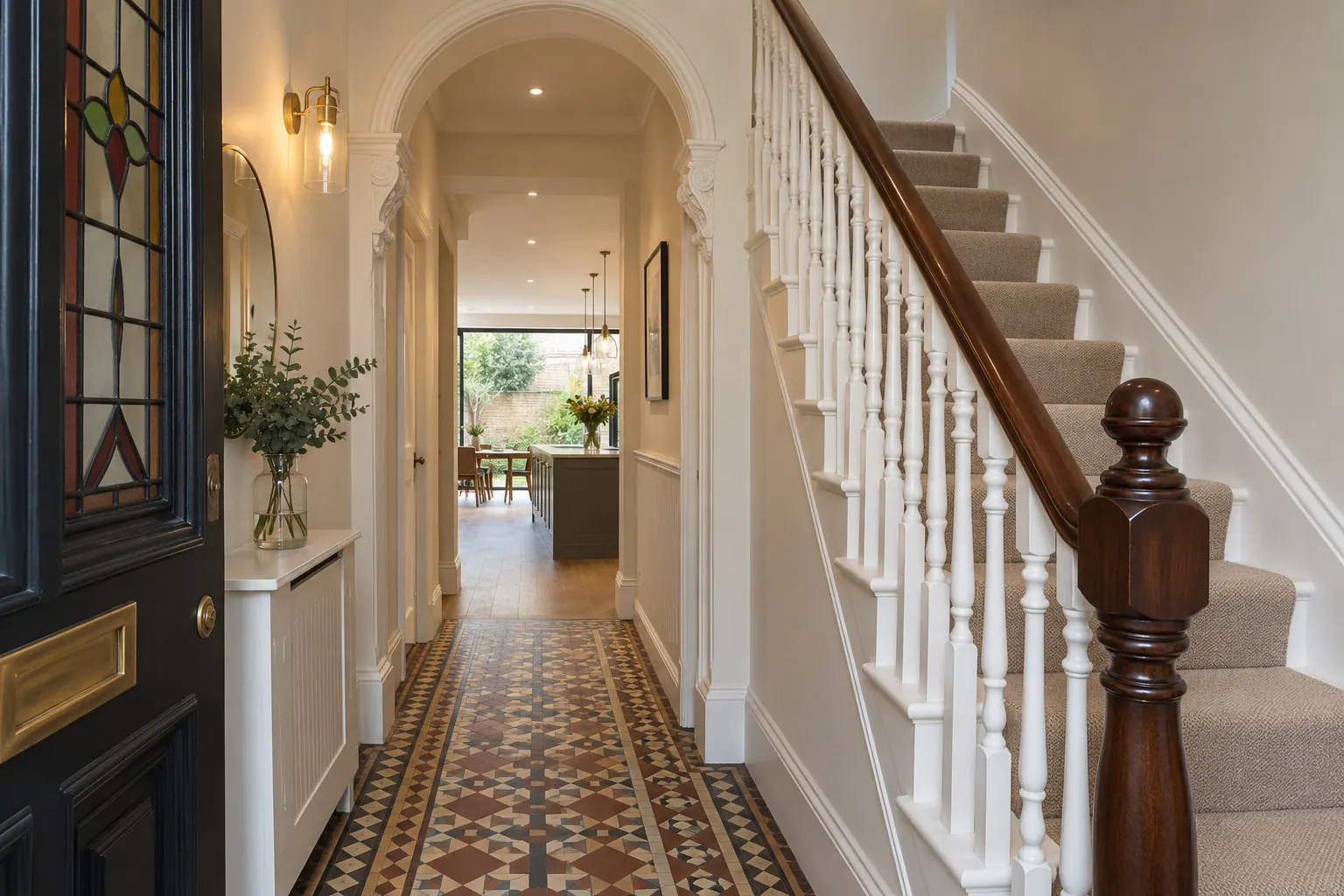
House Refurbishment in Wealdstone
Read more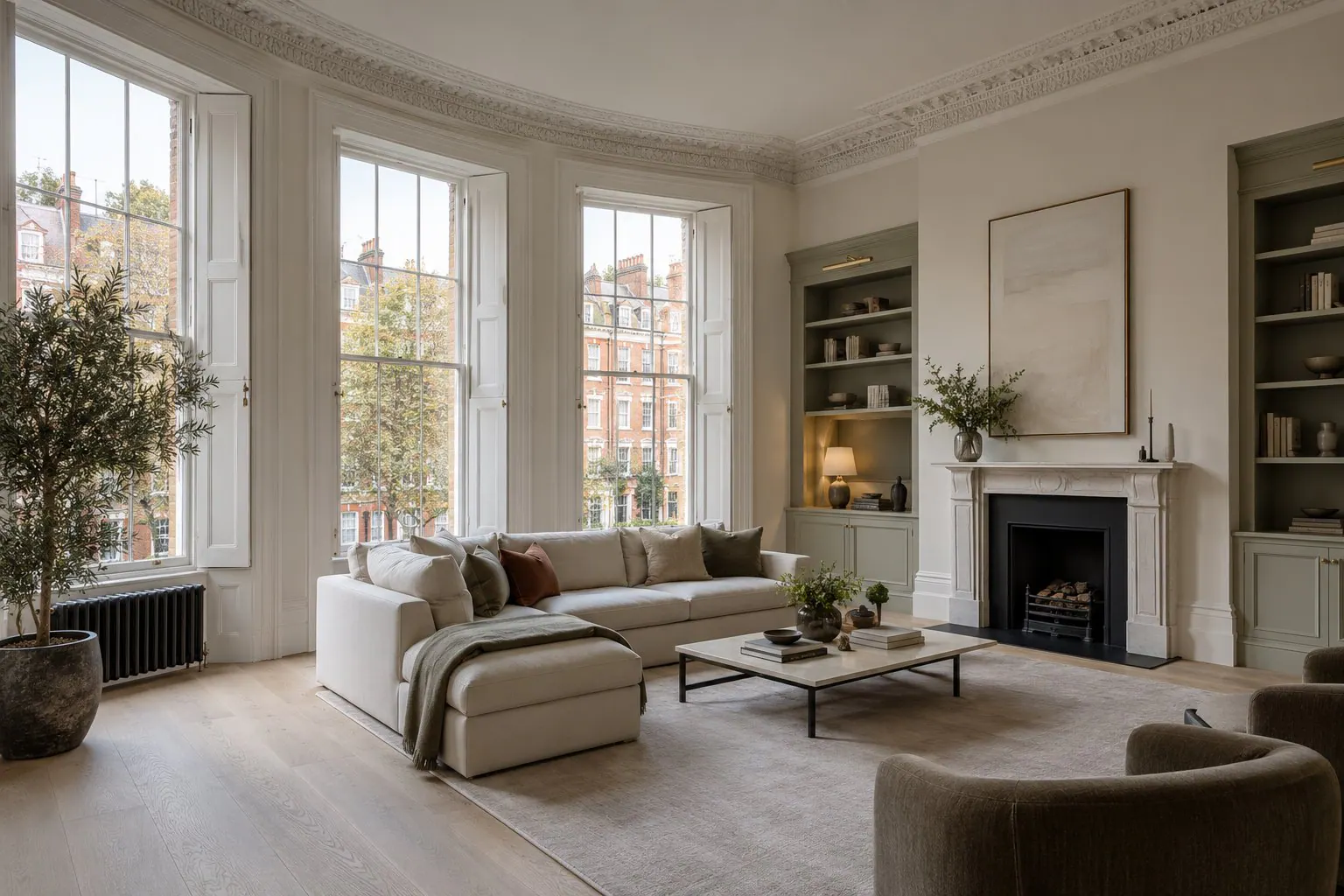
Flat Refurbishment in Wealdstone
Read more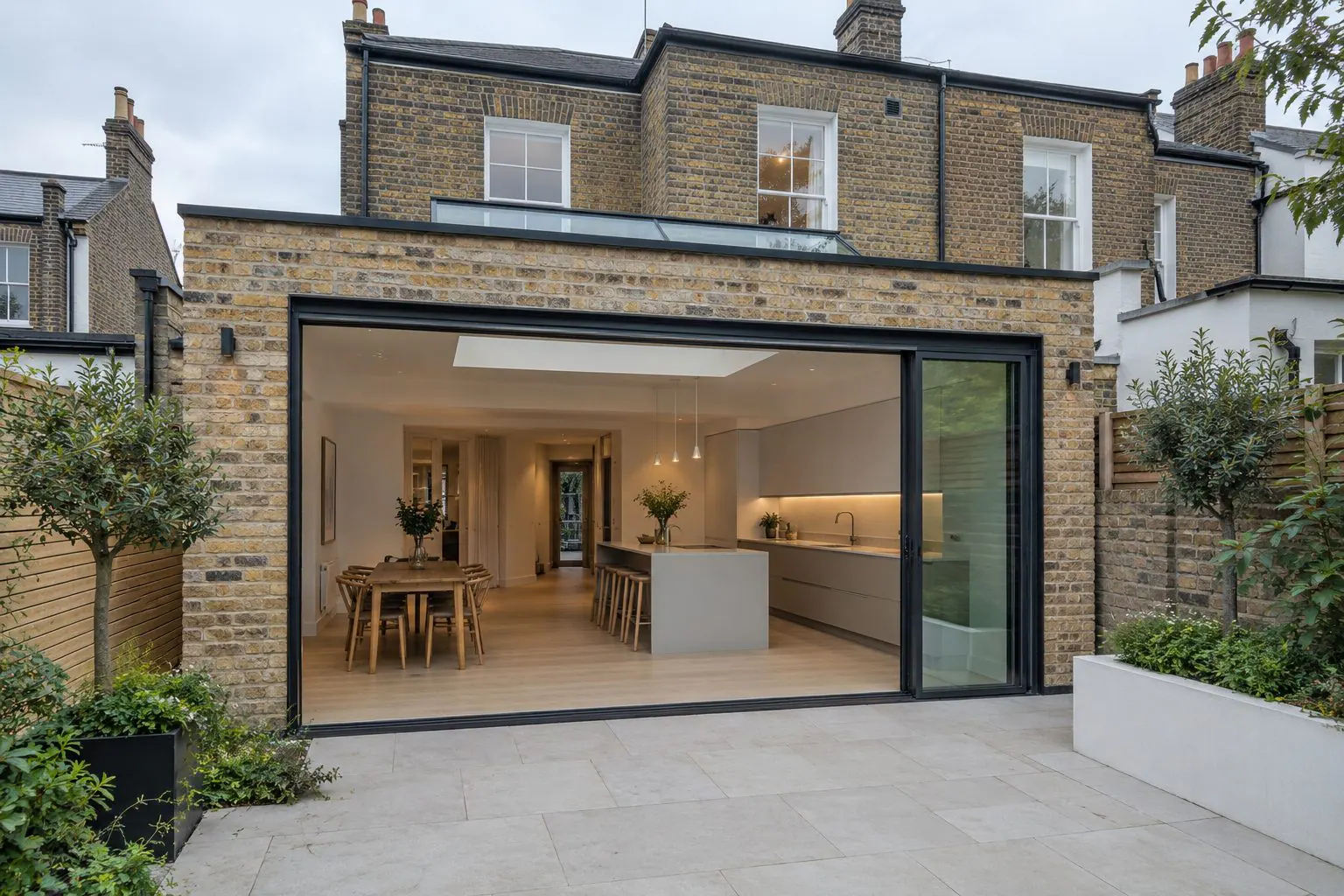
House Extensions in Wealdstone
Read more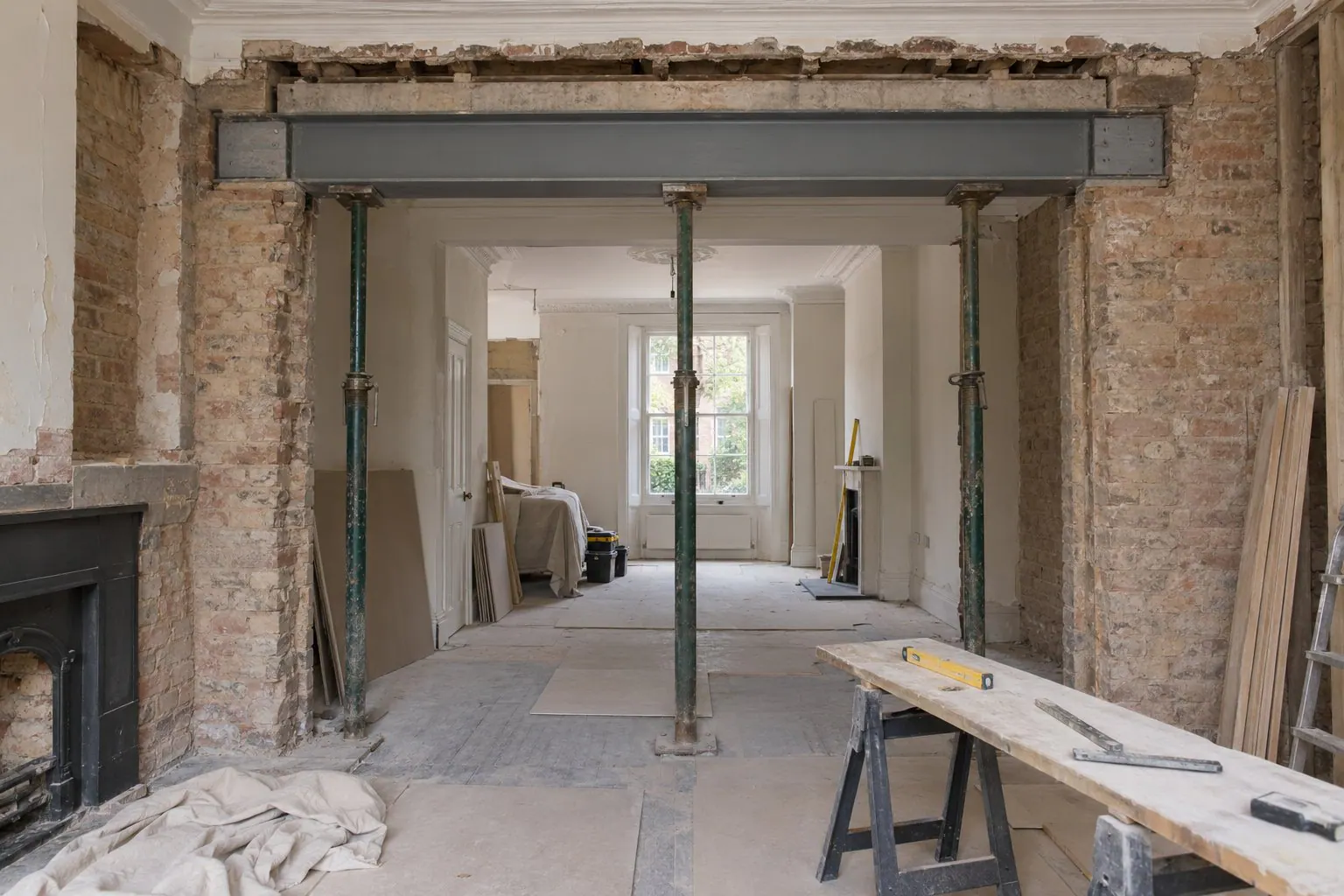
Structural Alterations in Wealdstone
Read more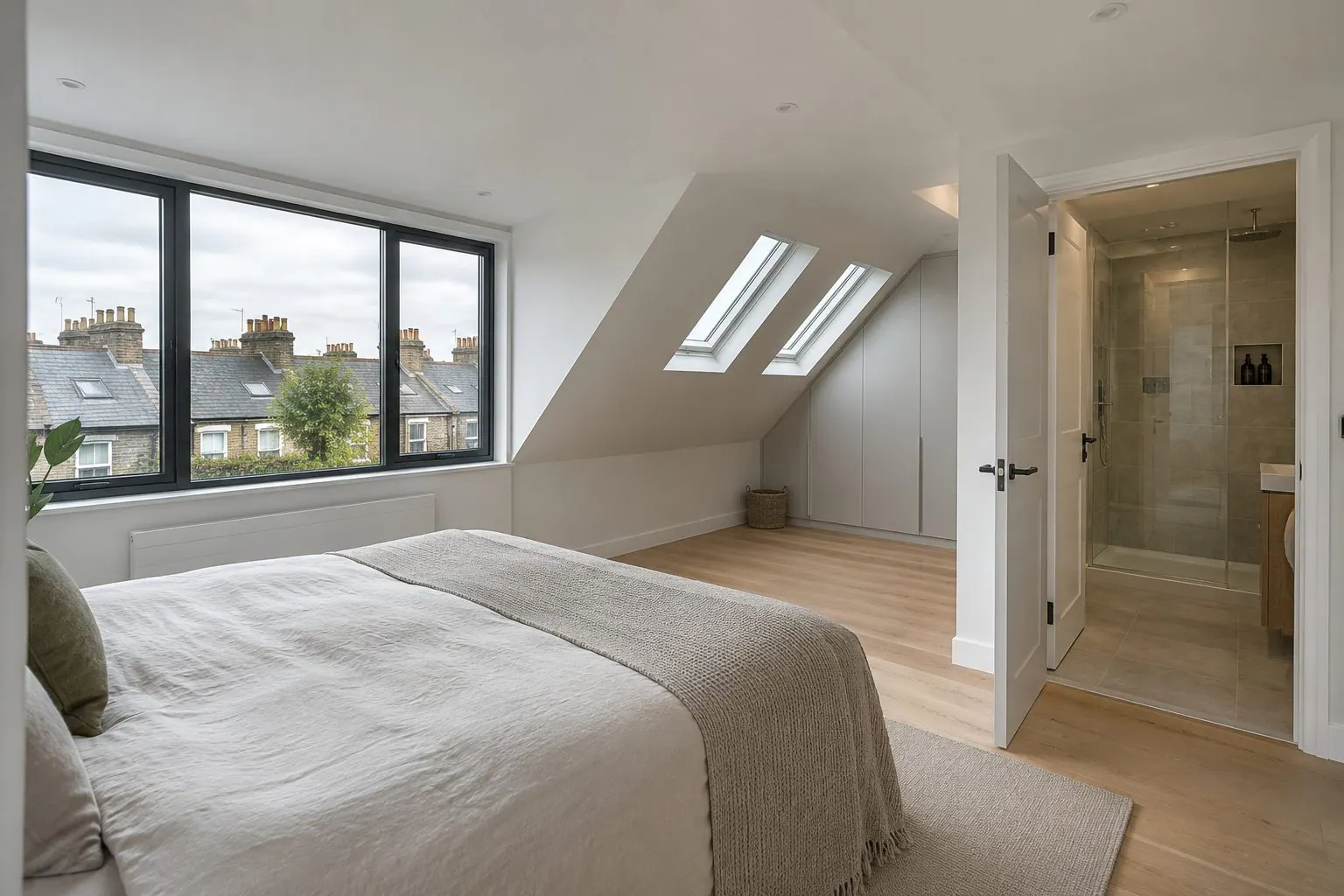
Loft Conversions in Wealdstone
Read more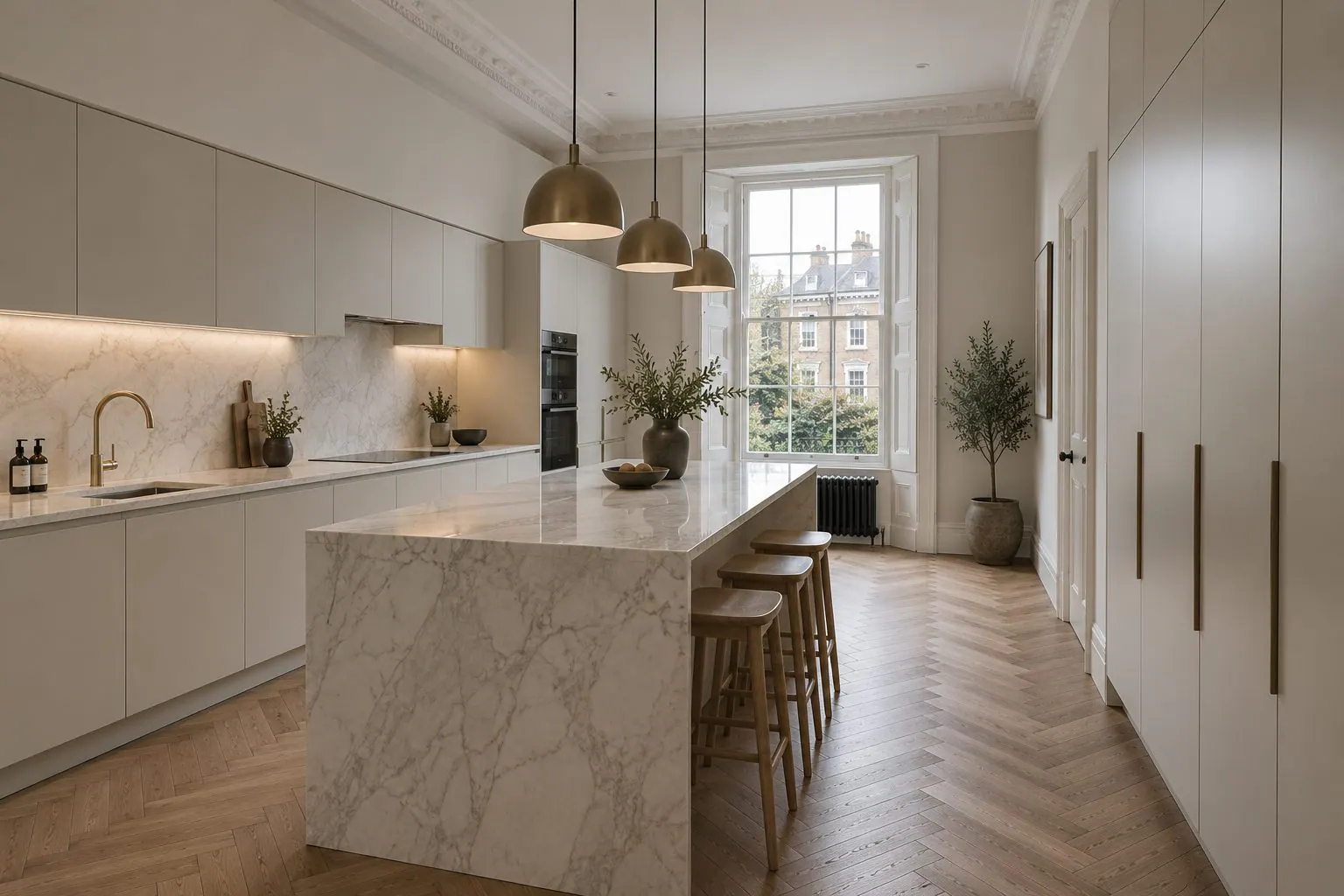
Kitchen Renovation in Wealdstone
Read more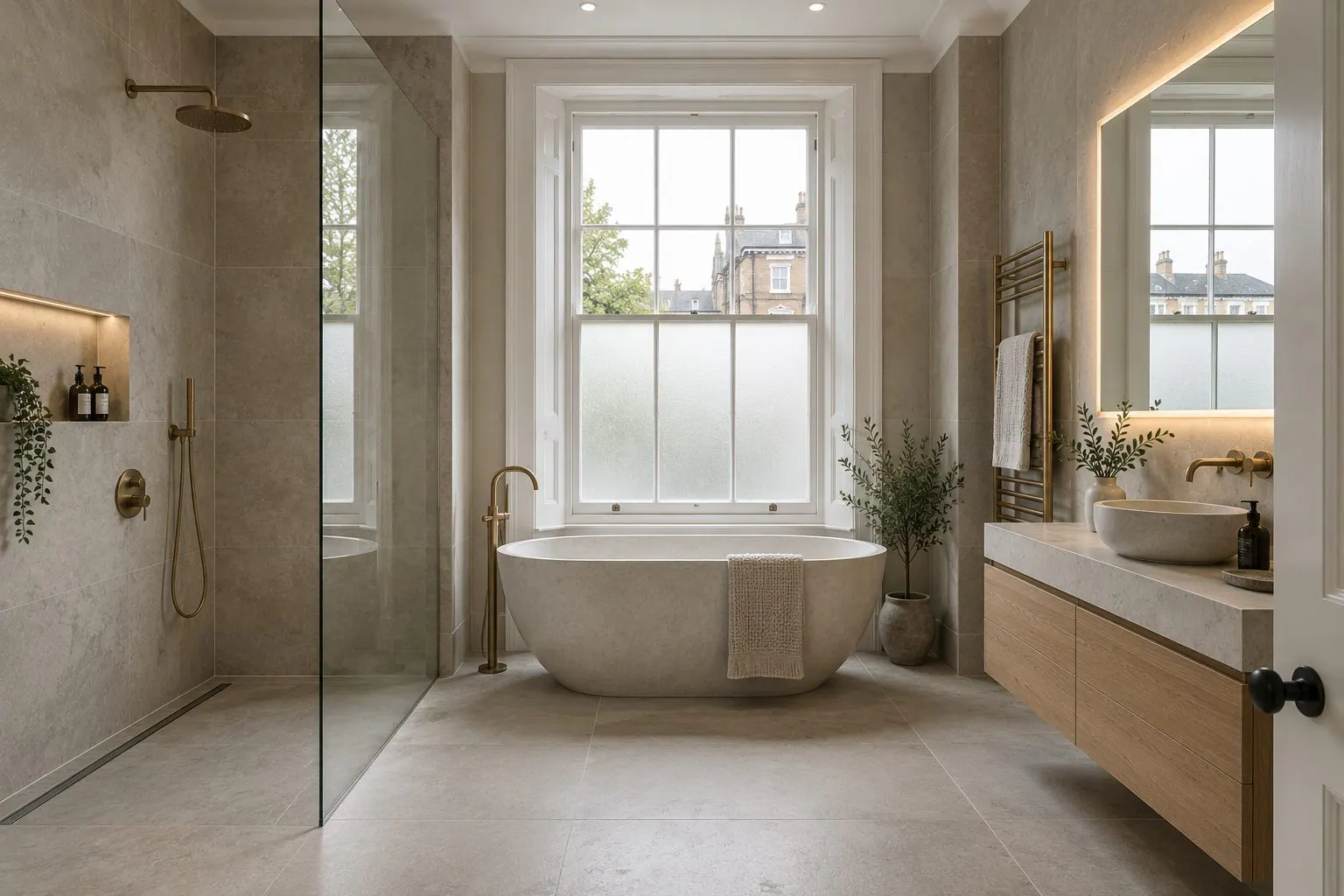
Bathroom Renovation in Wealdstone
Read more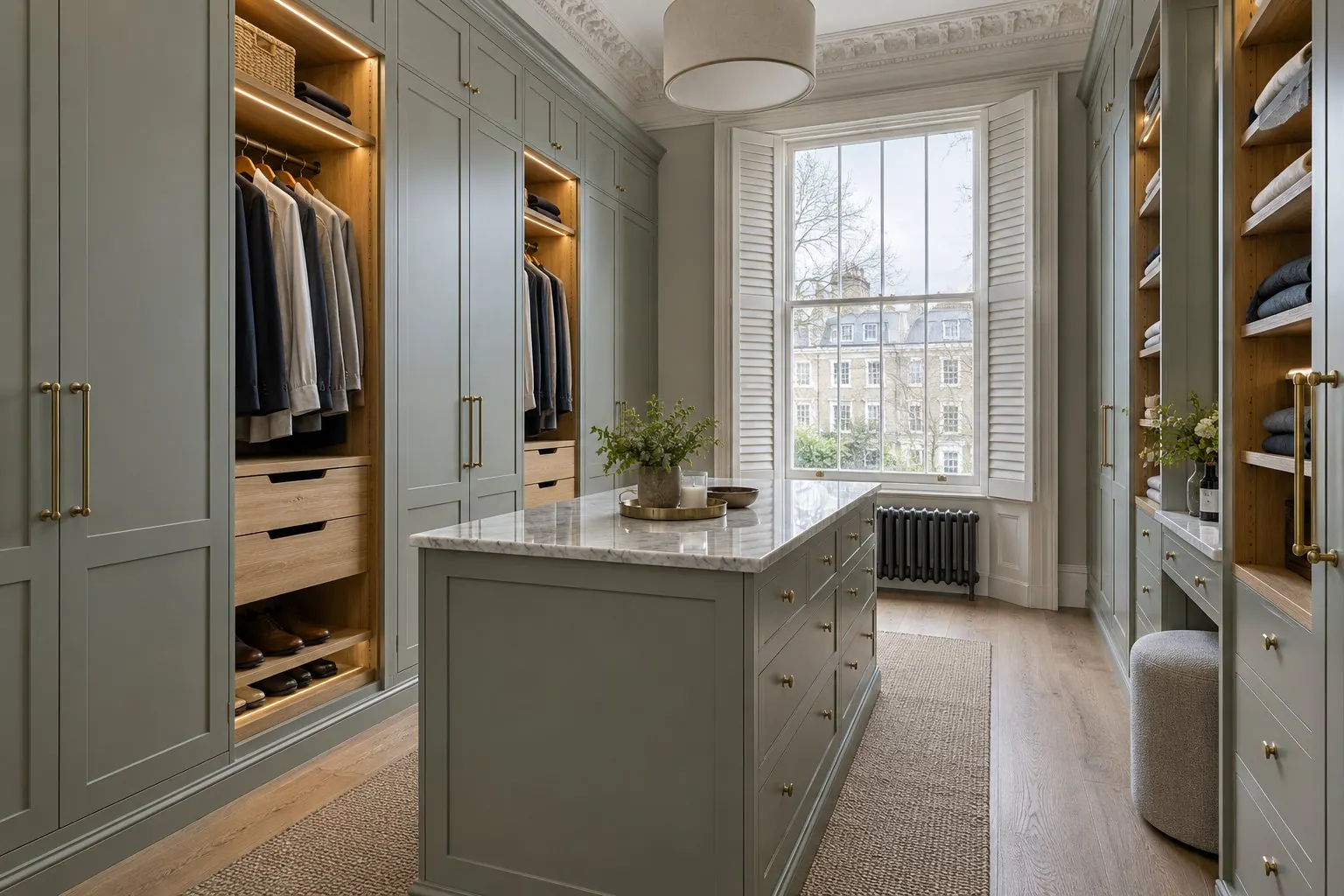
Bespoke Joinery & Fitted Furniture in Wealdstone
Read more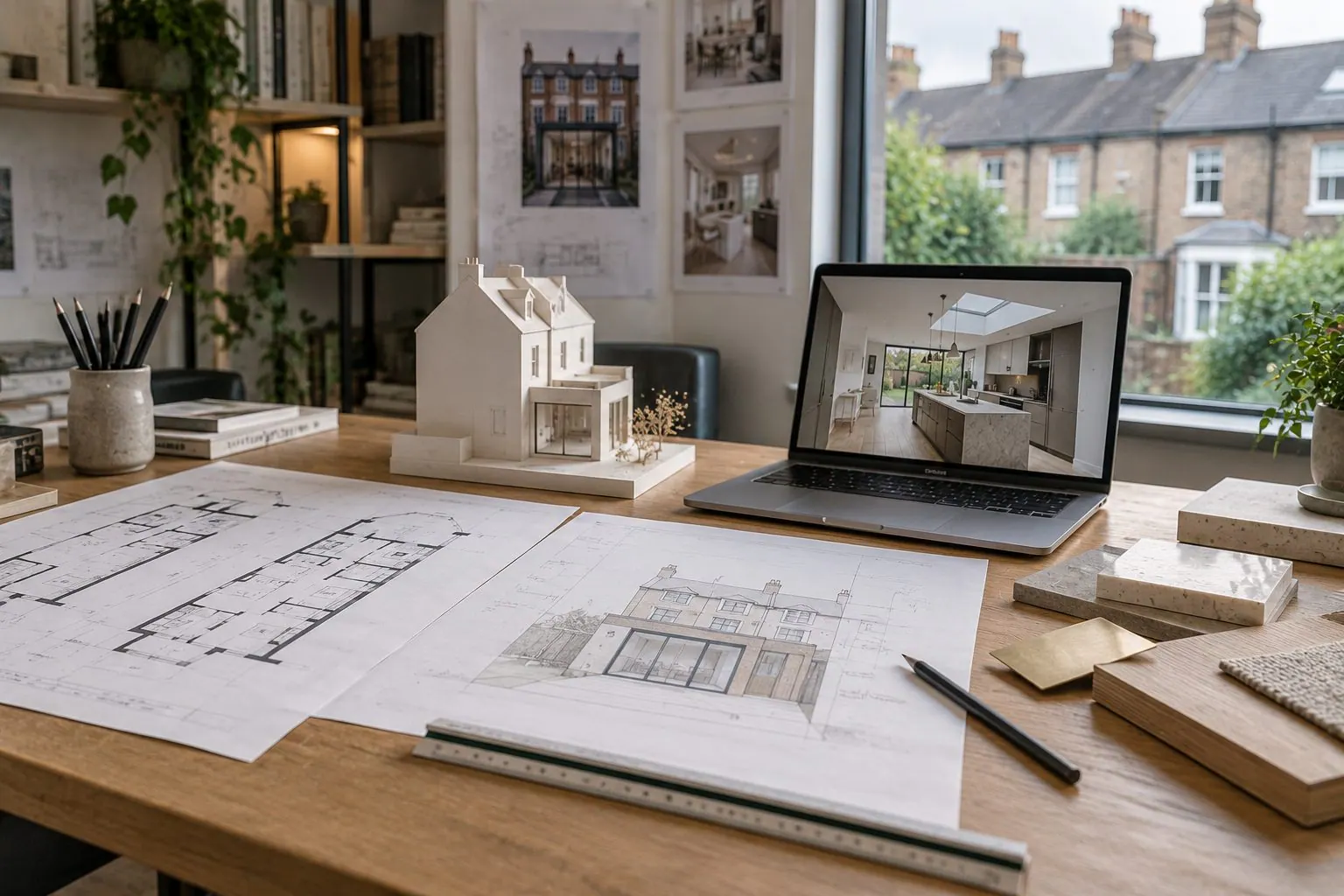
Architectural & Interior Design in Wealdstone
Read more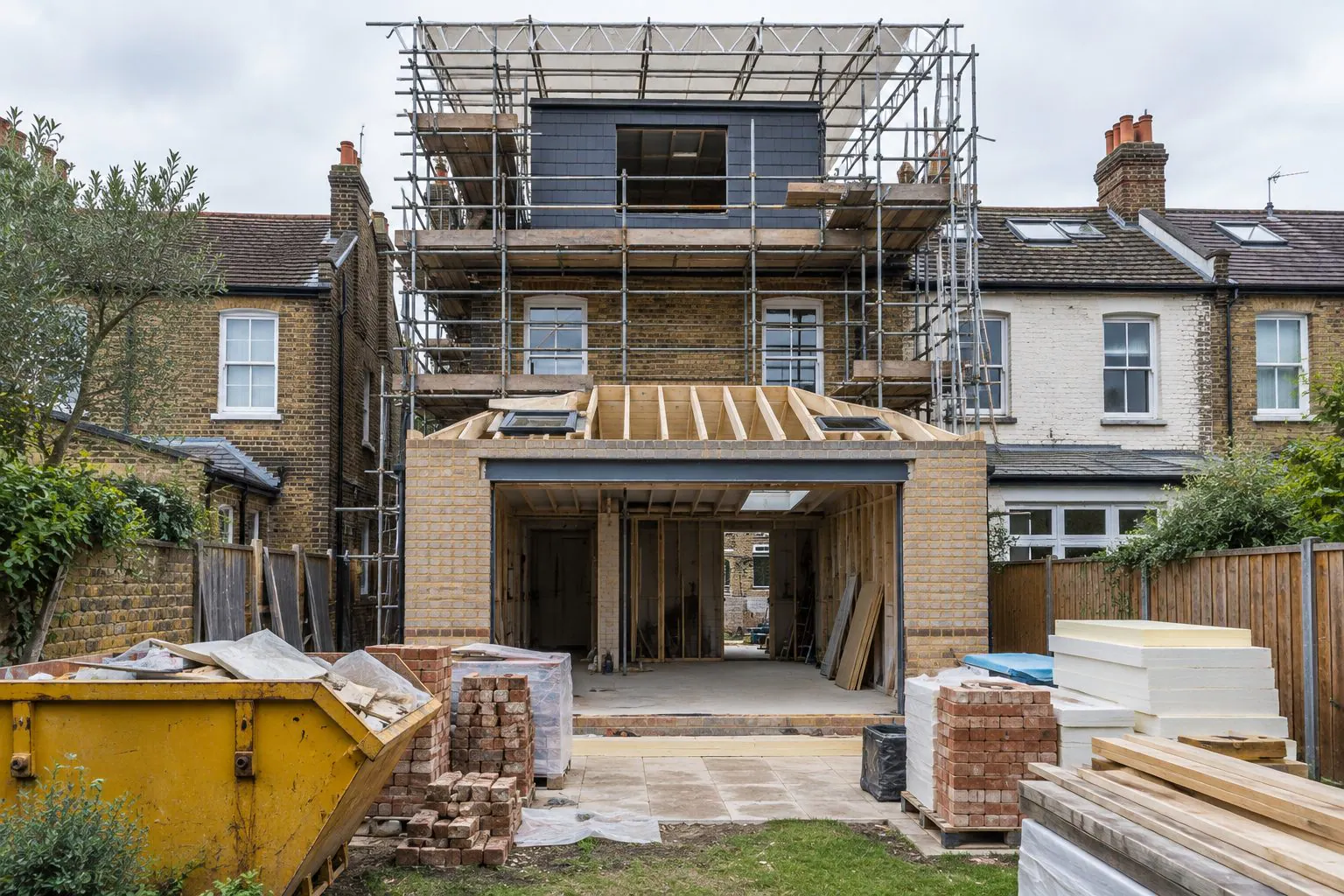
Planning Permission & Building Regulations in Wealdstone
Read moreBasement Conversions across London.
Central London
All of Central LondonNorth London
All of North LondonNorth-West London
All of North-West LondonTalk to us about a basement conversion in Wealdstone.
We will visit, listen and explain what is possible for your property and how it would be approved. No pressure, no sales pitch.